

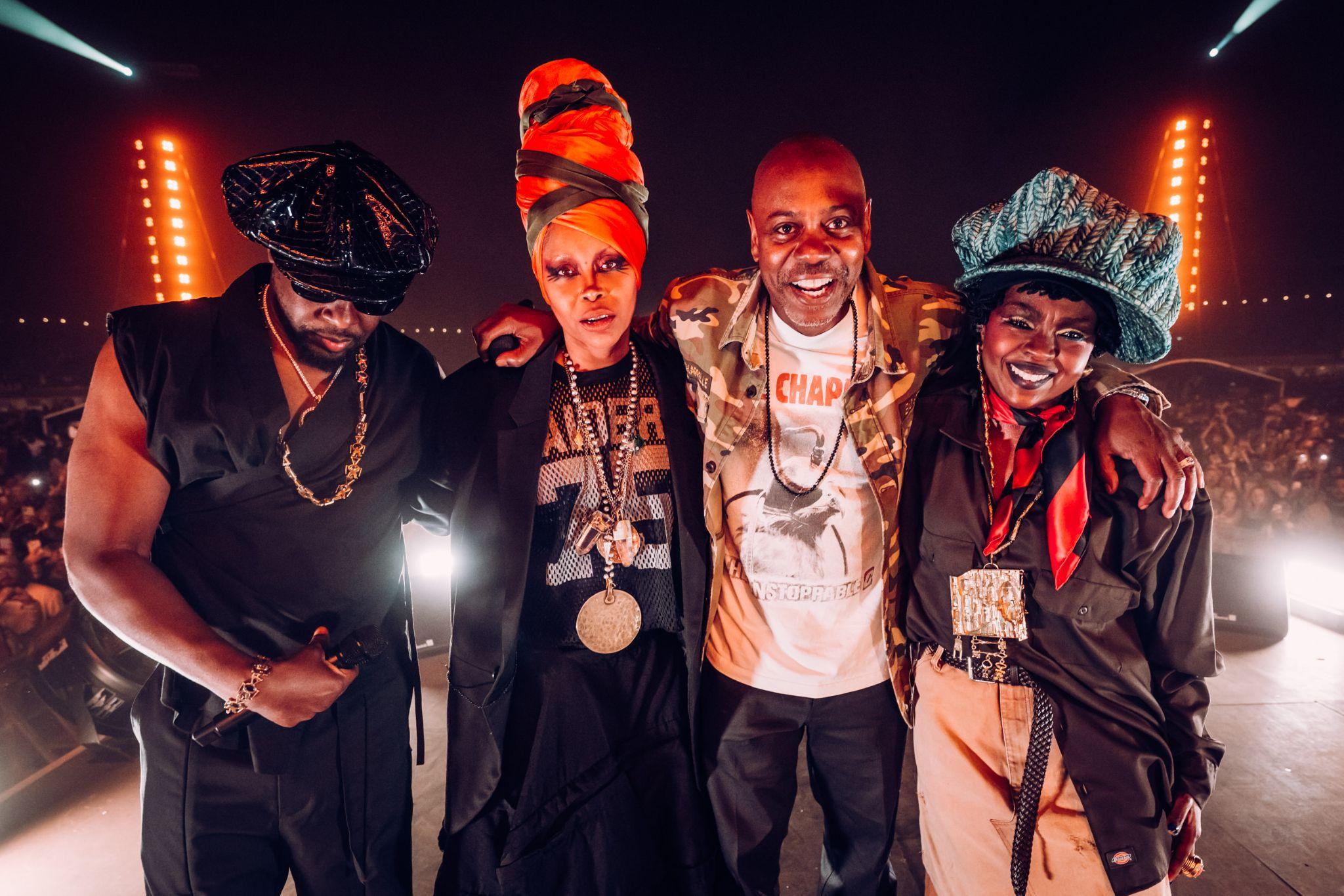
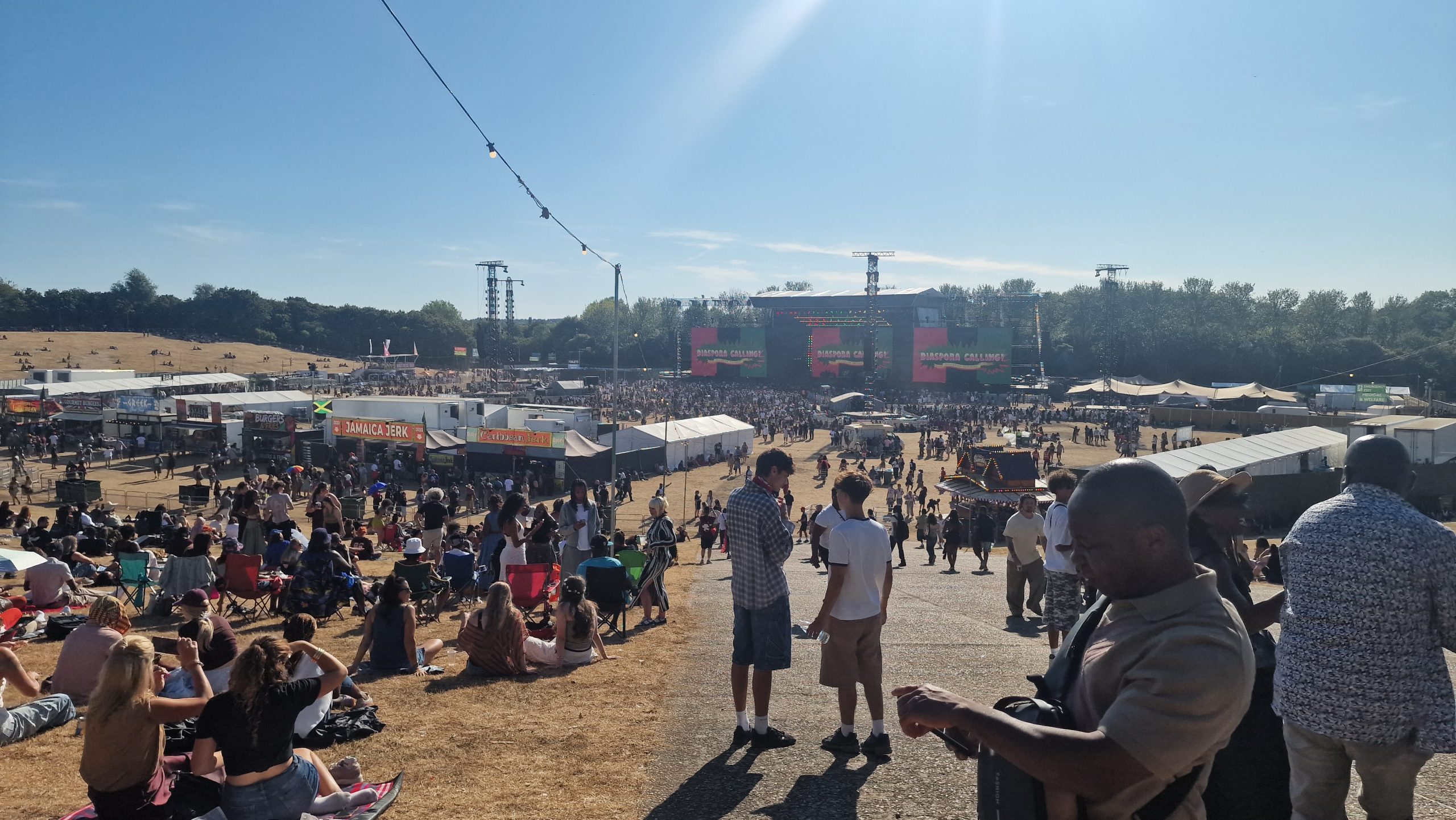
There are festivals where the line-up is the story. At Diaspora Calling, the crowd felt just as important. More than 35,000 people from across the UK and beyond gathered at Milton Keynes National Bowl for Ms. Lauryn Hill’s first UK edition of Diaspora Calling, with a programme spanning hip-hop, soul, R&B, Afrobeats, Afrobeat, reggae and UK rap.
But beyond the artists on stage, its identity came from something broader: a space deliberately centred on the African & Afro-Caribbean diaspora while welcoming anyone connected to the music and culture.
The diaspora wasn’t just on stage
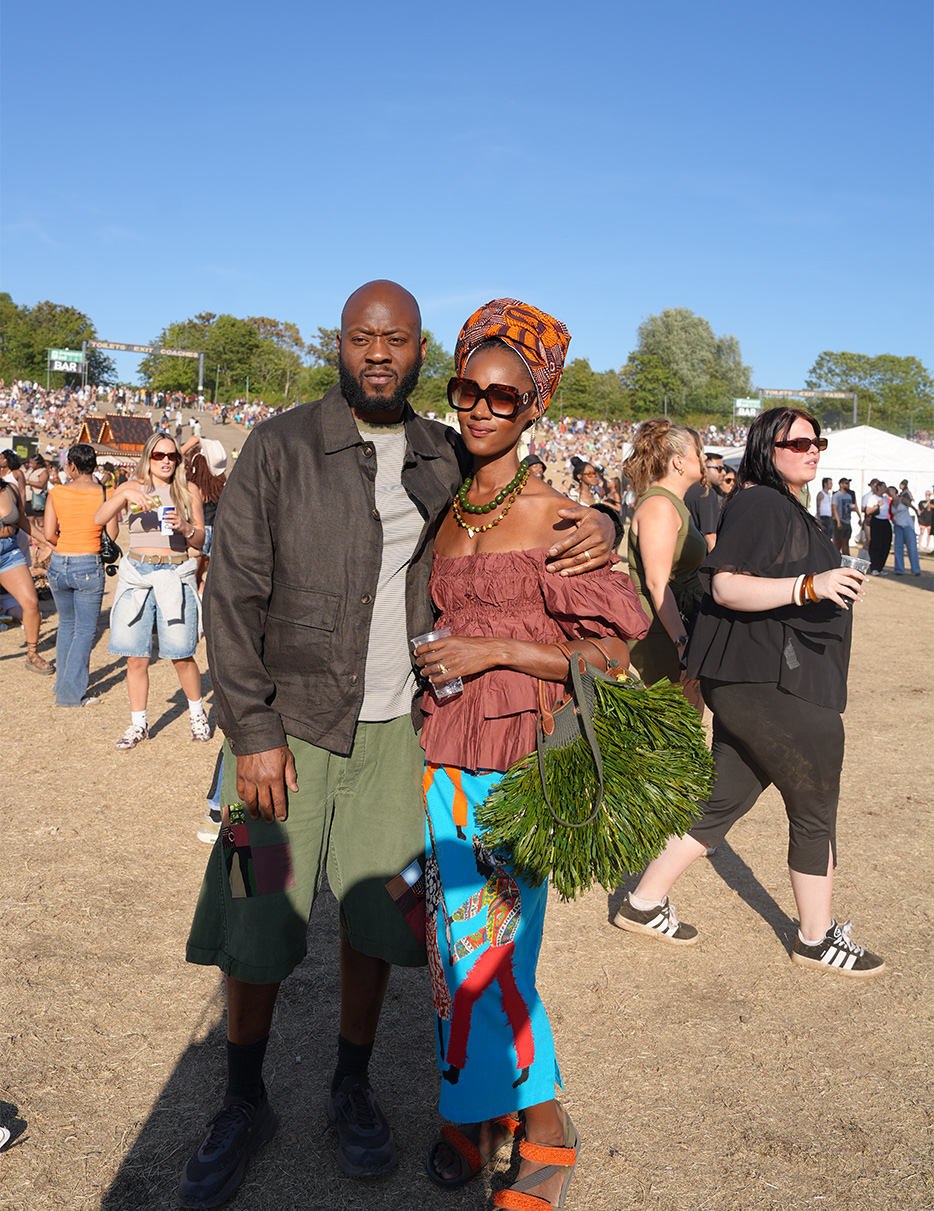
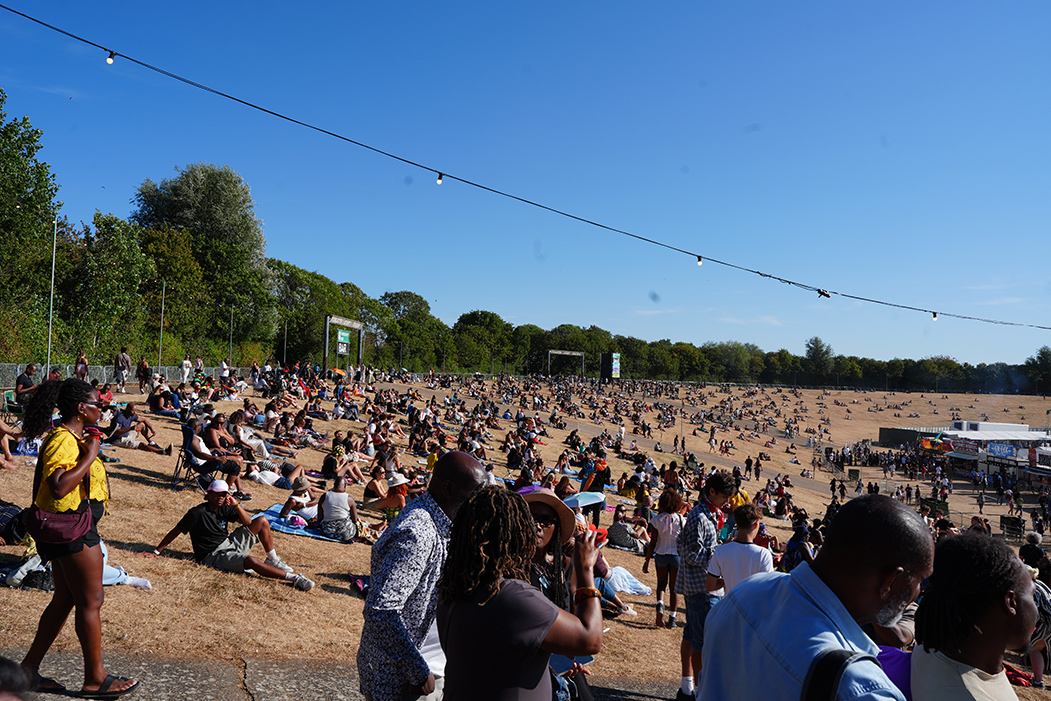
Walking through the National Bowl, one of the most striking things was the audience itself. Different generations, cultures, styles and backgrounds filled the site. People from across the African and Caribbean diaspora stood alongside non-diasporan festival-goers who were there simply because the music meant something to them.
There wasn’t one narrow idea of what the diaspora was supposed to look like. For many attendees, there was something meaningful about seeing so many expressions of Black identity and culture occupying the same large-scale space.
Diaspora Calling wasn’t simply presenting the diaspora from a stage; the diaspora was present in the crowd too. Distract spoke to festival-goers throughout the day about what diaspora meant to them, with people reflecting on heritage, belonging and community.
More than the main stage
The cultural experience also stretched beyond music.
Across the site, visual art, fashion and independent enterprise formed part of the wider Diaspora Calling world. Lauren Halsey presented animated visuals, while London-based artist Slawn created a live painting inspired by beauty brand Topicals.
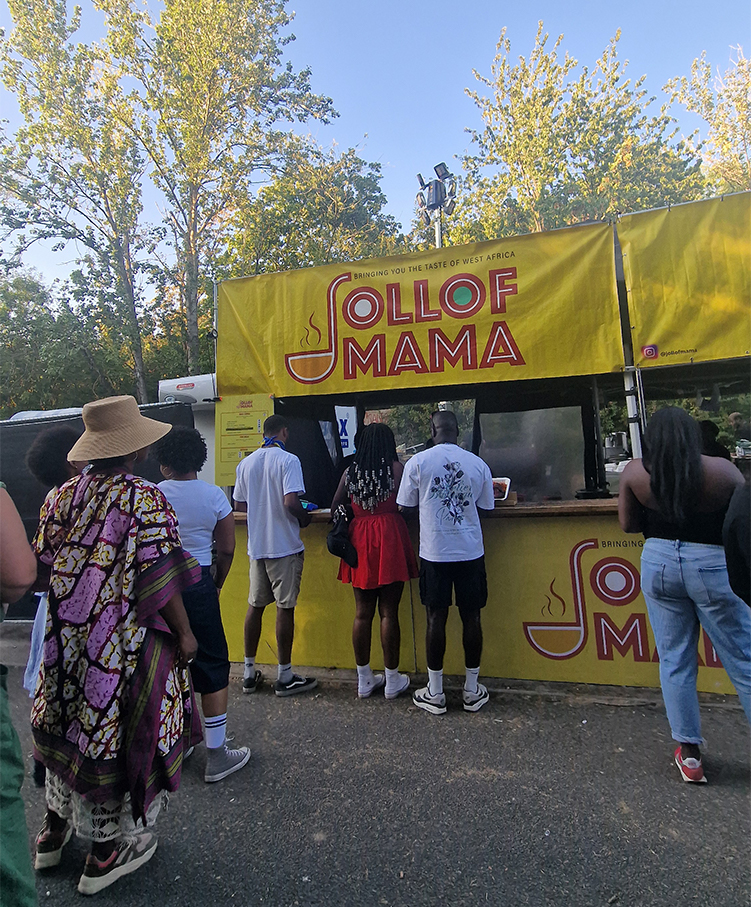
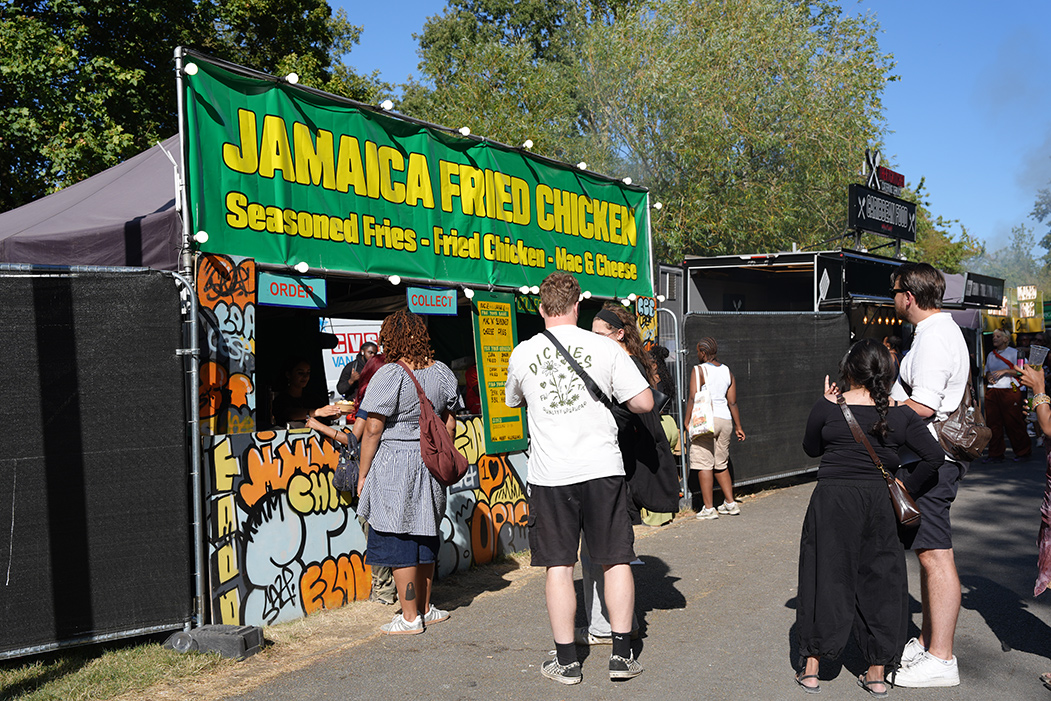
Fashion activations from Denim Tears and Kids of Immigrants explored themes around identity, history and migration, while a marketplace showcased diaspora-led artists, designers, entrepreneurs and independent businesses; including an art installation by London-based artist, Lakwena Maciver.
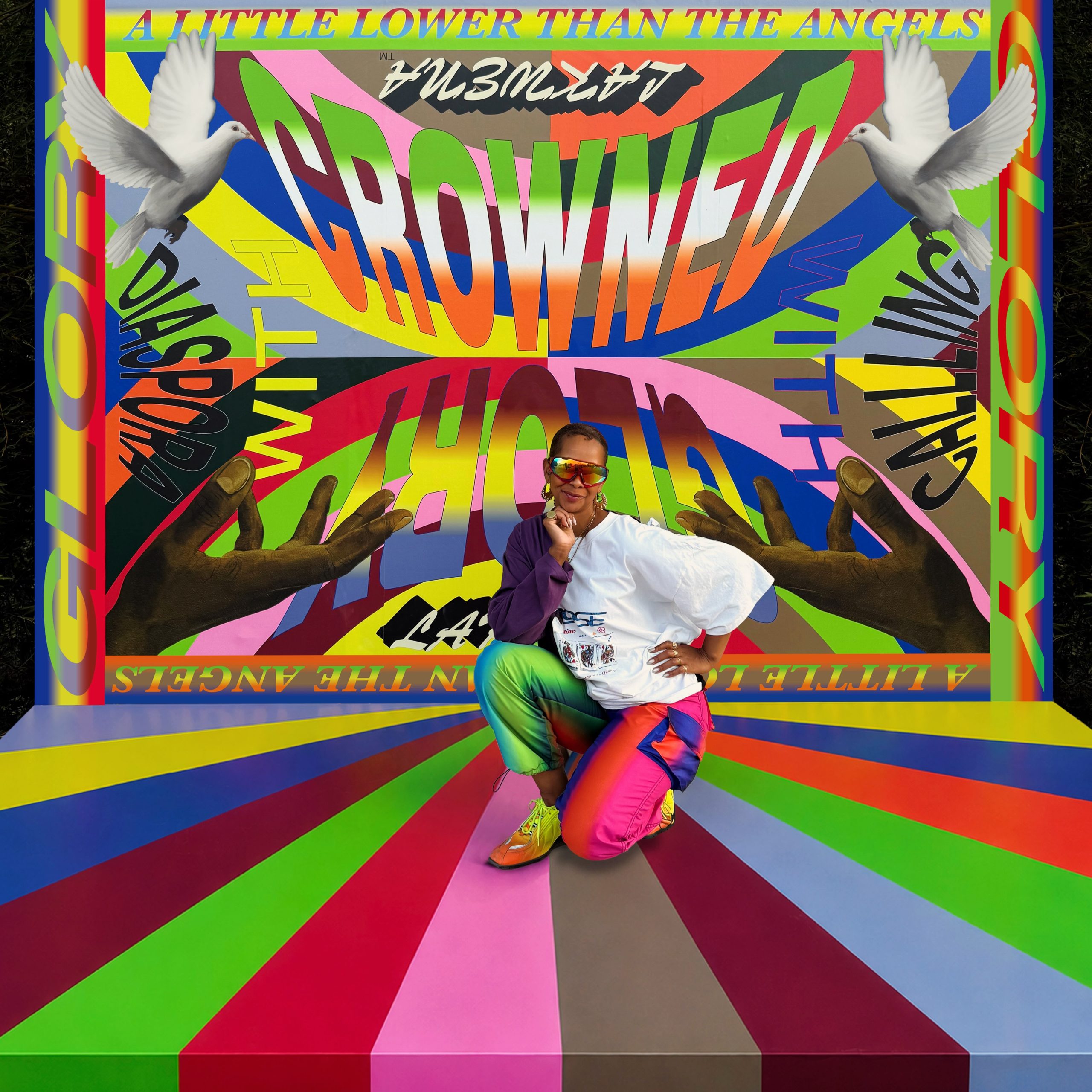
These elements helped Diaspora Calling feel less like a conventional concert and more like a wider cultural gathering.
Fireboy opens before Giggs brings UK rap centre stage
Fireboy DML brought contemporary Afrobeats into a line-up deliberately moving between continents and generations.
Giggs followed, representing another part of the diaspora story much closer to home. One of the day’s biggest surprises came when Kano joined Giggs for ‘P’s & Q’s‘ and ‘Rudeboy‘, bringing two major figures in British rap and grime together on stage. Giggs eventually closed his set with ‘Talkin’ da Hardest‘, earning an immediate reaction from the crowd.
Within the context of Diaspora Calling, the moment felt particularly fitting. British Black music wasn’t positioned separately from the wider diaspora story; it was firmly part of it.
Erykah Badu reminds everyone why she’s Erykah Badu
Erykah Badu brought a completely different energy to the National Bowl.
Moving through favourites including ‘Didn’t Cha Know‘ and ‘On & On‘, Badu’s set was a reminder of just how deeply her influence still runs through contemporary soul and R&B. But her own performance wouldn’t be the last audiences saw of her.
Later that evening, Badu appeared alongside Lauryn Hill for ‘Doo Wop (That Thing)‘; one of the festival’s standout collaborations.
Seeing the two women sharing the stage felt bigger than a conventional guest appearance.
Both helped expand what Black female artistry could sound and look like during an era that continues to influence music today. Decades later, they were standing together on a stage built around many of those same ideas of identity, culture and creative freedom.
Dave Chappelle reflects on Lauryn Hill’s vision
During the second half of the festival, Dave Chappelle stepped into hosting duties. Speaking to the audience, Chappelle reflected on Hill having talked about the Diaspora Calling idea for years and shared how honoured he was to be part of seeing that vision realised. Looking around the National Bowl, the point landed. Here were thousands of people, artists spanning generations and continents, and different forms of cultural expression occupying the same space. Diaspora Calling was clearly aiming for something larger than simply assembling an impressive bill.
Lauryn Hill brings family and musical legacy together
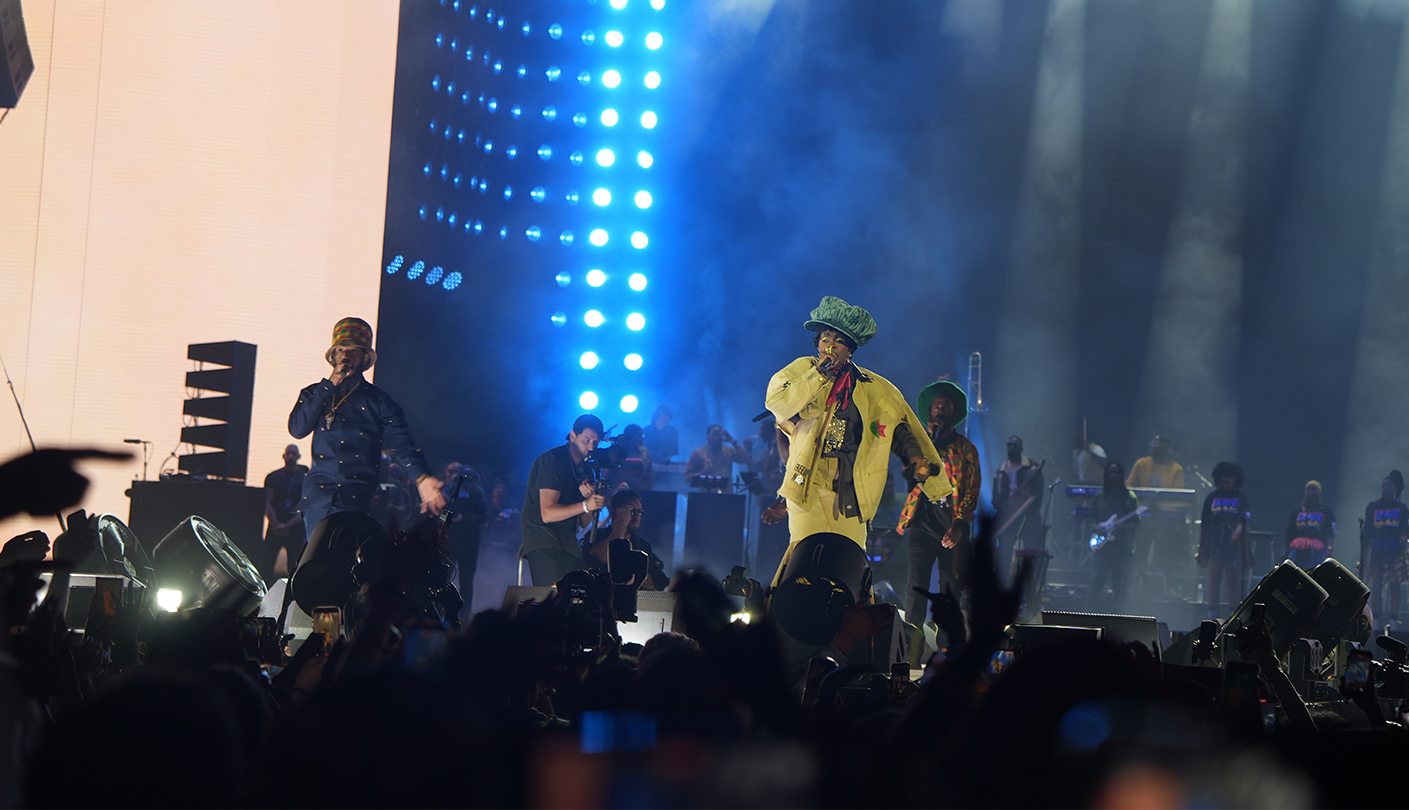
When Lauryn Hill took centre stage for the headline portion of the evening, the festival’s themes of legacy and generations became much more personal. Her first-born son Zion Marley performed his grandfather Bob Marley’s ‘Three Little Birds‘ before moving into his own track, ‘Best of Me‘. YG Marley also took to the stage, performing his global hit ‘Praise Jah in the Moonlight‘.

Earlier in the day, Distract had encountered a much smaller example of that same generational connection. We spoke to a mother and son; festival attendees. The son explained that his mum had introduced him to Lauryn Hill’s music. It was a simple exchange, but one that captured the longevity of the music.
Songs born from particular histories and cultures had travelled between parents and children, across countries and backgrounds, becoming meaningful to people far beyond the generation or community in which they were first created.
Wyclef Jean was also on stage alongside Hill, as the pair celebrated three decades since the Fugees’ landmark album The Score. For some in the audience, those songs carried nostalgia. For others, they had effectively been inherited. That ability for music to move between generations — and connect people regardless of background or culture — became one of the day’s strongest recurring themes.
And then, suddenly, it was over
Unfortunately, the festival’s final moments also became one of its biggest talking points. With the headline performance still underway, the audio was suddenly cut as the event reached its 11pm licensing deadline. A message then appeared across the venue screens informing festival-goers that the concert had to end. The reaction around the National Bowl was immediate: confusion and disappointment from people who clearly weren’t ready for the night to finish. Distract has covered those final moments separately, including the Fugees appearing ready to move into ‘Fu-Gee-La’ as the show came to an abrupt close.
But while the ending inevitably affected how people left the festival, it shouldn’t become the only story told about Diaspora Calling.
A festival built around connection
Diaspora Calling worked best because it wasn’t simply looking backwards. Lauryn Hill, Wyclef Jean and Erykah Badu represented important chapters of Black music history. Fireboy DML brought contemporary African music into the conversation. Giggs and Kano represented British Black music. Zion and YG Marley brought another generation onto the same stage.
Beyond it were visual artists, designers, entrepreneurs and thousands of festival-goers from different cultures and backgrounds. Some came because what was being celebrated reflected their own heritage. Others came because those artists and songs had crossed cultural boundaries and become part of their lives too.
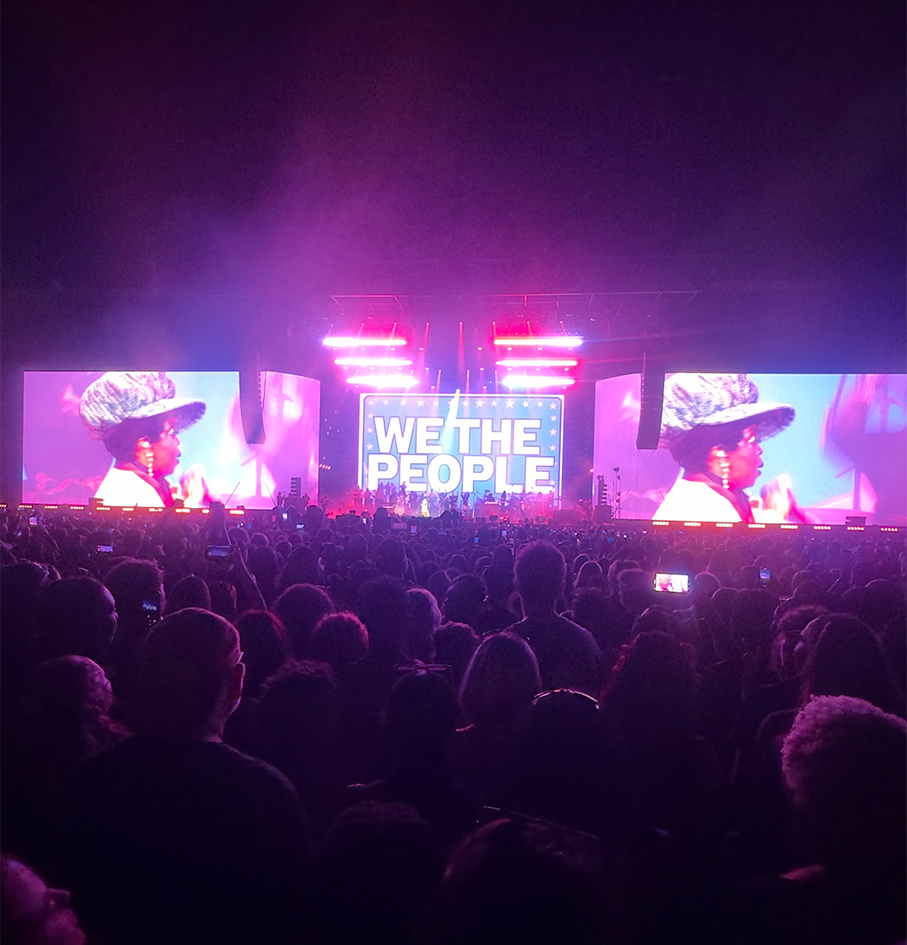
There were frustrations; particularly around the abrupt ending—but also moments difficult to recreate at many other UK festivals: Kano appearing alongside Giggs, Erykah Badu sharing the stage with Lauryn Hill, three generations of musical legacy intersecting, and festival-goers openly discussing what diaspora meant to them.
Ultimately, Diaspora Calling felt less like the diaspora was being presented to an audience and more like the diaspora was the audience; while everyone else was invited into the conversation.
That distinction may be what gives Diaspora Calling its strongest identity.
Connect with Distract! Watch us on Youtube, like us on Facebook & follow us on Twitter and Instagram.
