

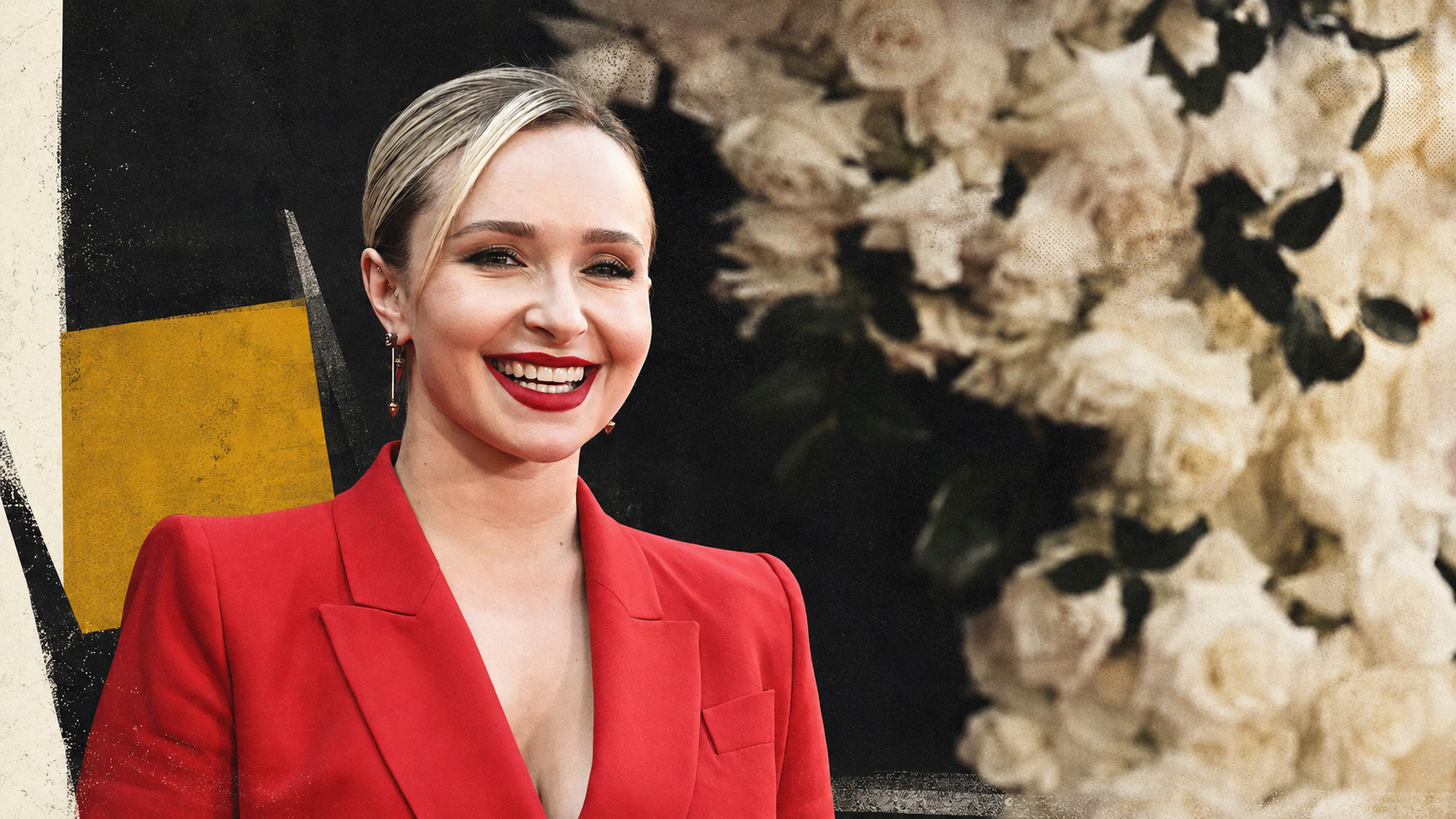
Hayden Panettiere, whose career took her from child performer to superhero-era icon and country-music antiheroine, has died aged 36, five days before her 37th birthday.
Her death was confirmed on Sunday, 16 August, through a statement from her father, Skip Panettiere, provided to ABC News. Her death was officially ruled on 22 September 2026 as an accident caused by the toxic effects of fentanyl and several other substances.
Announcing his daughter’s death, Skip Panettiere said the family was profoundly saddened by the loss of their beloved Hayden. He described her as:
“an incredible light and a force of nature who brought immeasurable love and joy to all who knew her”
adding that her warmth had also reached millions through her work on screen. The news was first reported by ABC News and subsequently confirmed by People, the Associated Press and Reuters. Greenville Police said its initial investigation found no signs of foul play or suspicious circumstances. The investigation remains ongoing alongside the work of the Greenville County Coroner’s Office.
How did Hayden Panettiere die? Official cause of death confirmed
Hayden Panettiere’s death has officially been ruled an accident caused by the combined toxic effects of fentanyl, 4-ANPP, alprazolam, methocarbamol and quetiapine.
The findings were released by the Greenville County Coroner’s Office on Tuesday, 22 September, following the completion of toxicology testing. Alprazolam is commonly known by the brand name Xanax, while methocarbamol is a muscle relaxant and quetiapine is a prescription antipsychotic medication.
Panettiere was found unresponsive at a residence in Greenville, South Carolina, on 16 August. Emergency responders attempted advanced cardiac life-support measures, but she was pronounced dead at the scene. An autopsy found no signs of trauma that contributed to her death.
With the cause and manner of death established, the coroner’s office has administratively closed its case. However, the Greenville Police Department says its separate investigation remains active, with detectives continuing to pursue leads and gather information.
Panettiere had previously spoken publicly about addiction, treatment and recovery. Those experiences form part of the life story she chose to share, but they should not overshadow the breadth of her career or the impact of the performances through which millions of viewers knew her.
Hayden Panettiere’s mother speaks out following her death
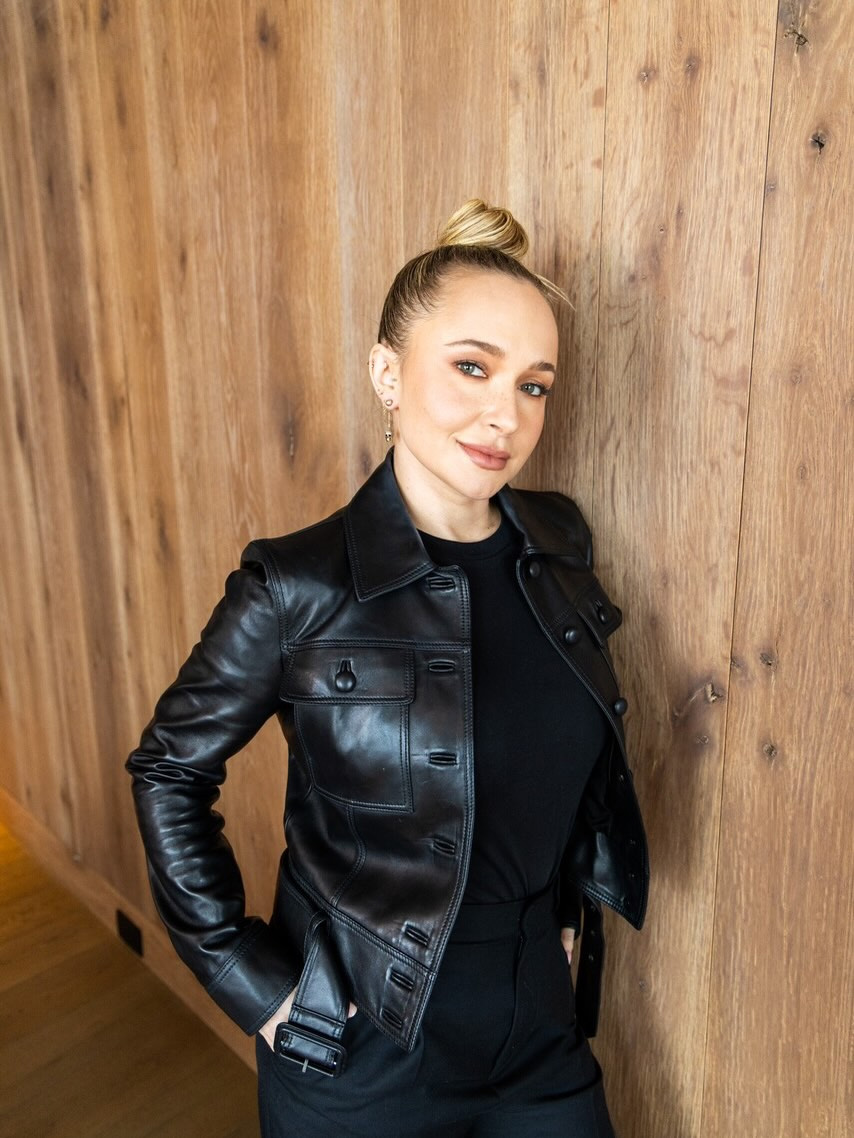
Hayden Panettiere’s mother, Lesley Vogel, has spoken publicly following her daughter’s death. During a phone interview with NBC News on Tuesday, 18 August, Vogel described Panettiere as “an amazingly talented person” and reflected on the challenges faced by young performers growing up in the entertainment industry.
Vogel said she wished circumstances had been different and remembered her daughter as someone with many remarkable qualities. Becoming emotional as she spoke about Hayden and her younger brother, Jansen, who died in 2023 aged 28, she added: “I just feel that she’s with her brother and they’re at peace.”
Lesley Vogel also addressed Panettiere’s on-and-off boyfriend, Brian Hickerson, who was present at the residence when the actress died, according to a police report cited by People. Vogel said the family had been concerned about him for a long time and alleged that he had “enabled Hayden many times”.
In 2021, Hickerson pleaded no contest to two felony counts of injuring a partner connected to a 2020 arrest. He has not publicly responded to Vogel’s latest remarks. Her comments should not be treated as an official finding about Panettiere’s death: police said their preliminary investigation found no signs of foul play or suspicious circumstances, while the official cause and manner of death remain under investigation.
Panettiere and Vogel were estranged at the time of her death. The actress had spoken candidly about their complicated relationship in her memoir, This Is Me: A Reckoning, and during her May interview with Jay Shetty.
Claire Bennet and the making of a television icon
When Heroes arrived in 2006, Panettiere was 17. Her character, Claire Bennet, could survive injuries that should have killed her, but the performance never treated invulnerability as uncomplicated wish fulfilment.
Claire’s body could repair itself; the rest of her life was far less easily fixed. She still had to contend with secrecy, isolation, family tension and the fear that being different would make an ordinary future impossible. Panettiere made those contradictions believable, switching between teenage defiance and genuine vulnerability without allowing either to feel false.
The show’s command to save its cheerleader quickly escaped the series and entered the wider vocabulary of mid-2000s television. Panettiere became one of the most recognisable young actors of the period, her face inseparable from the programme’s success.


That breakthrough had been years in the making. Born in New York in 1989, she had worked in commercials from infancy before appearing in the television dramas One Life to Live and Guiding Light. She voiced Dot in Pixar’s A Bug’s Life and later played Sheryl Yoast in Remember the Titans.
Yet Heroes marked the point at which a familiar child actor became a genuine pop-culture figure.
Juliette Barnes was allowed to be difficult
If Claire Bennet made Panettiere famous around the world, Nashville demonstrated how much more she could do.
As country star Juliette Barnes, Panettiere played a woman with the confidence to command an arena and the volatility to derail her own life. Juliette could be magnetic, calculating, funny, cruel and wounded — sometimes within the same scene. Panettiere did not flatten those traits into a simple rise-and-fall story or soften the character into an easily likeable heroine.
Instead, she made Juliette’s ambition feel inseparable from her insecurity. The result was a character who could frustrate viewers while still holding their sympathy. Panettiere’s performance across the show’s six seasons earned two Golden Globe nominations, while her singing became part of Nashville’s musical identity.
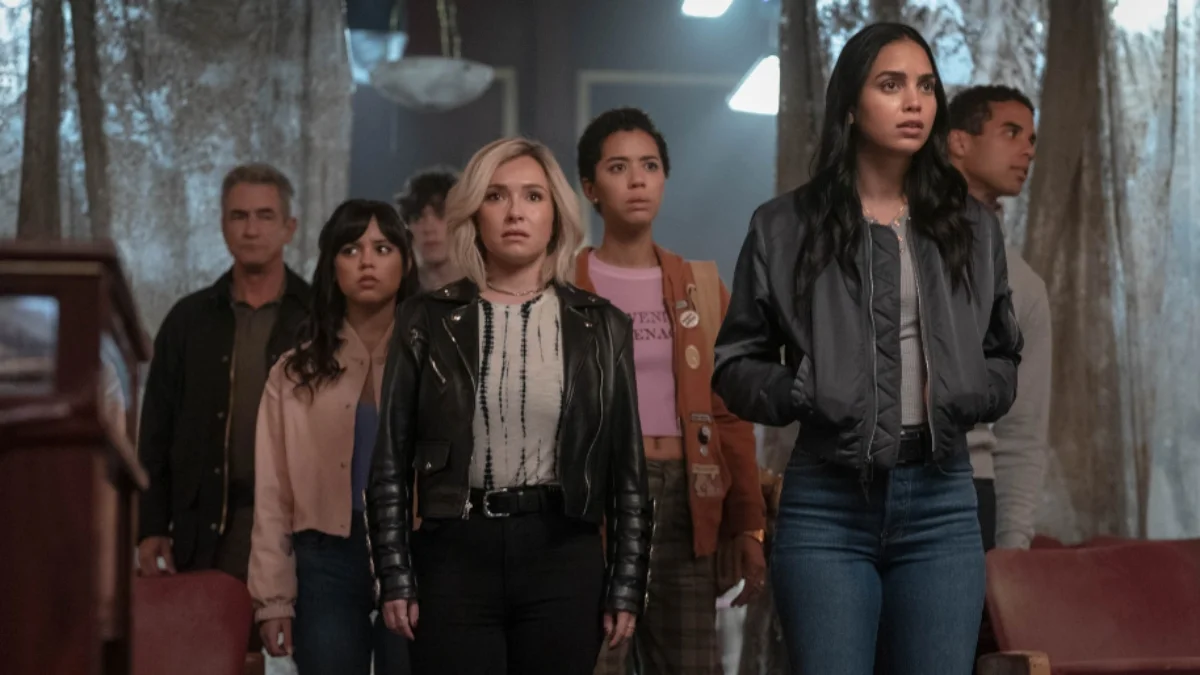
Her screen work also included I Love You, Beth Cooper and the Scream franchise. As the horror-literate Kirby Reed in Scream 4, she created a fan favourite who felt sharp enough to understand the genre and human enough to remain endangered by it. Her return in Scream VI, more than a decade later, recognised the affection audiences had retained for both Kirby and the actor playing her.
Growing up where everybody could see
The phrase “former child star” often compresses an entire life into a cautionary label. In Panettiere’s case, it can also obscure how long she worked and how many different versions of herself the public expected her to perform. She began appearing on screen before she could decide what visibility meant. By adolescence she was famous; by adulthood, intensely personal chapters of her life were routinely treated as public material.
Panettiere later chose to speak in her own words about postnatal depression, addiction, treatment, grief and recovery. Earlier in 2026, she published This Is Me: A Reckoning, a memoir examining her childhood in the entertainment industry and the experiences that existed beyond her public image.

Those disclosures should not be treated as an explanation for her death: an official cause has not yet been determined. Their importance lies in Panettiere’s willingness to discuss experiences that are frequently hidden by celebrity culture, particularly postnatal mental-health difficulties and the pressures surrounding child performers.
Her younger brother, actor and artist Jansen Panettiere, died in 2023 aged 28. Hayden Panettiere is survived by her daughter, Kaya, and her parents.

More than one defining role
The easiest way to remember Panettiere would be through a sequence of instantly recognisable characters: Claire beneath the Friday-night lights, Juliette commanding a stage or Kirby facing down another horror-film rule.
But her most compelling performances shared something deeper. Panettiere understood how to play women whose visible confidence concealed conflict, fear and need. She could make strength look complicated — not the absence of pain, but something performed alongside it.
Her career belonged to several different eras of film and television, yet she remained recognisable throughout them. For the viewers who grew up with her, the loss carries the strange intimacy of losing someone whose own growing-up happened alongside theirs, on screen.
Hayden Panettiere’s Jay Shetty interview carried a message about self-kindness
In May 2026, Panettiere joined Jay Shetty’s On Purpose podcast for one of her final long-form interviews. The conversation covered the pressures of growing up in Hollywood, addiction, postnatal depression, abusive relationships and the loss of her younger brother, Jansen.
One of its clearest moments came when the conversation turned to negative self-talk. Panettiere suggested that children should be taught how to treat themselves with kindness, recognising that seemingly small internal criticisms can have lasting emotional and physical effects.
“Would you talk to a friend the way you talk to yourself?” she asked.
Her message was not about pretending that pain does not exist. It was about refusing to make that pain heavier through cruelty towards ourselves. Panettiere said she wanted her experiences to help people facing their own challenges and to remind them that recovery was possible.
Heard after her death, the conversation carries additional emotional weight. Its importance, however, lies not in treating her words as a warning or prediction, but in listening to the message she deliberately chose to leave: be kinder to yourself and allow difficult experiences to become a source of understanding for somebody else.
Hayden Panettiere was 36.
If you need support
If this story has affected you, or you are struggling with depression, emotional distress or thoughts of suicide, support is available:
UK: Call Samaritans free on 116 123, 24 hours a day. If you would rather text, send SHOUT to 85258 for free, confidential, 24/7 support. For urgent mental-health help, call NHS 111 and select the mental-health option. If you or somebody else is in immediate danger, call 999 or go to A&E.
USA: Call or text the 988 Suicide & Crisis Lifeline on 988, or use its online chat, for free and confidential support 24/7. You can also text HOME to 741741 to reach the Crisis Text Line. If there is immediate danger, call 911.
Connect with Distract! Watch us on Youtube, like us on Facebook & follow us on Twitter and Instagram.
