

Art doesn’t exist in a vacuum. It shapes the way we dress, the spaces we inhabit, the images we consume and how we understand the world around us.
This October, Frieze London and Frieze Masters return to The Regent’s Park from 14–18 October 2026, bringing together more than 300 international gallery presentations across both fairs for one of the most significant weeks in the global art calendar.
As Distract explored during Frieze London’s 20th anniversary, the fair’s appeal extends beyond the traditional art world, connecting contemporary creativity with wider conversations around identity, technology and culture. Distract will be attending Frieze London 2026, exploring the artists, installations and creative conversations that catch our attention.
The Next Wave: Emerging Artists & New Perspectives
Some of the most exciting discoveries at Frieze come from artists still building their international presence.
Focus, supported by Stone Island, brings together younger galleries championing experimental and emerging contemporary talent. The partnership feels particularly fitting, connecting a fashion label recognised for material innovation with a new generation of boundary-pushing creatives.
Meanwhile, Artist-to-Artist, supported by Tiffany & Co., takes a different approach to artistic recognition. Seven emerging artists have been selected by established international artists who believe their work deserves greater attention.
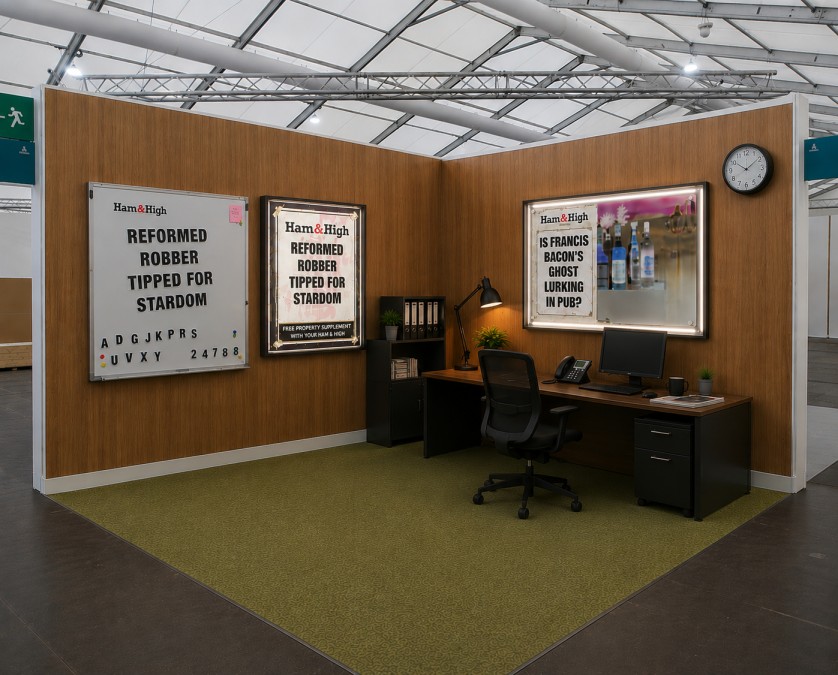
British-Nigerian artist Yinka Shonibare has nominated South African artist Unathi Mkonto, presented by Goodman Gallery, while Otobong Nkanga has selected Jota Mombaça, presented by Galeria Jaqueline Martins. Among the more unconventional presentations, Harlesden High Street introduces a concept by Marcus Jefferson that transforms a familiar office setting into a satirical installation, using newspaper-inspired graphics and everyday objects to blur the boundaries between contemporary art and popular culture.
Together, these programmes offer a compelling look at the artists and creative relationships shaping contemporary art’s future.
When Art Meets Gaming: Enter the Feral Metaverse
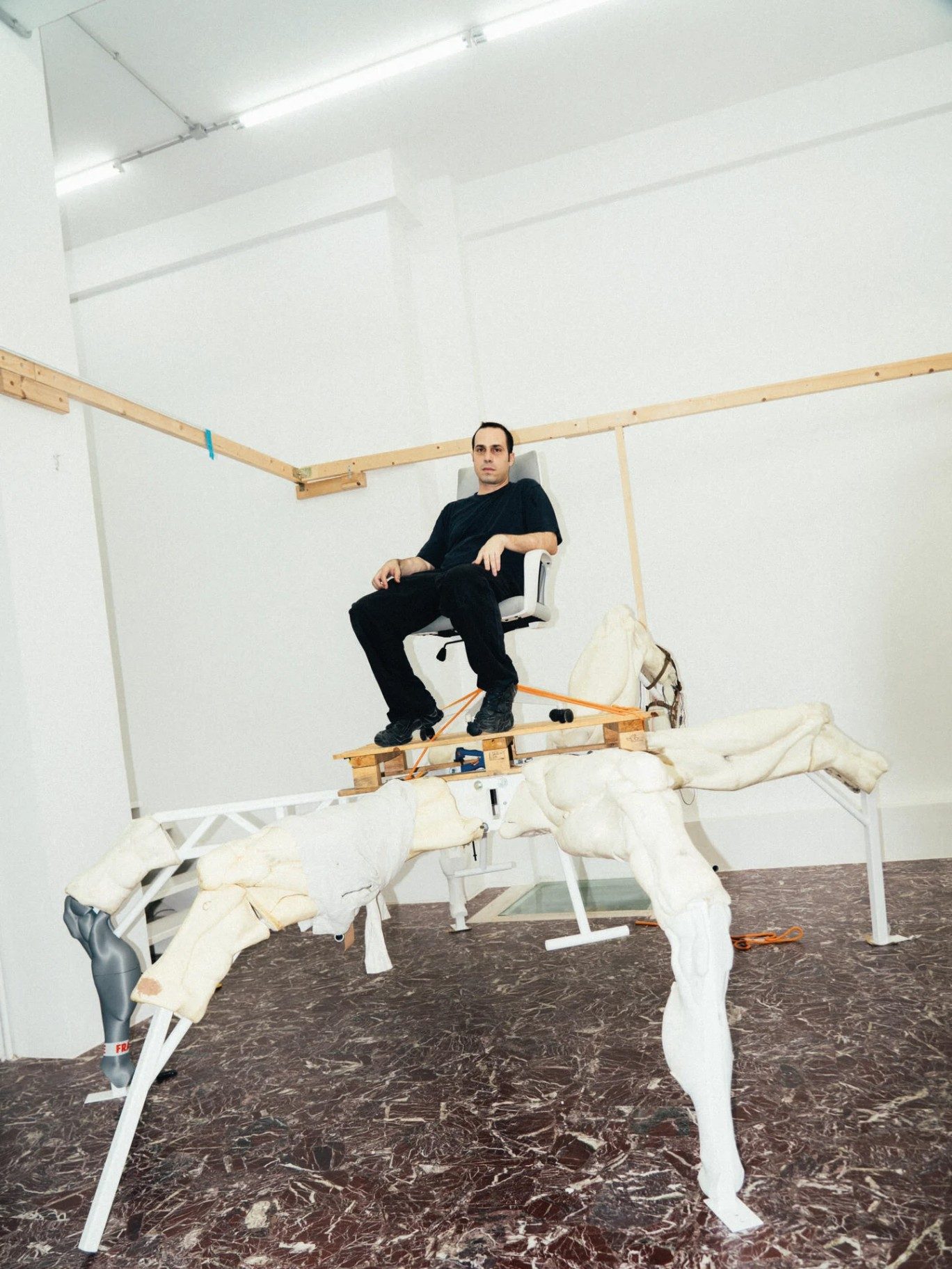
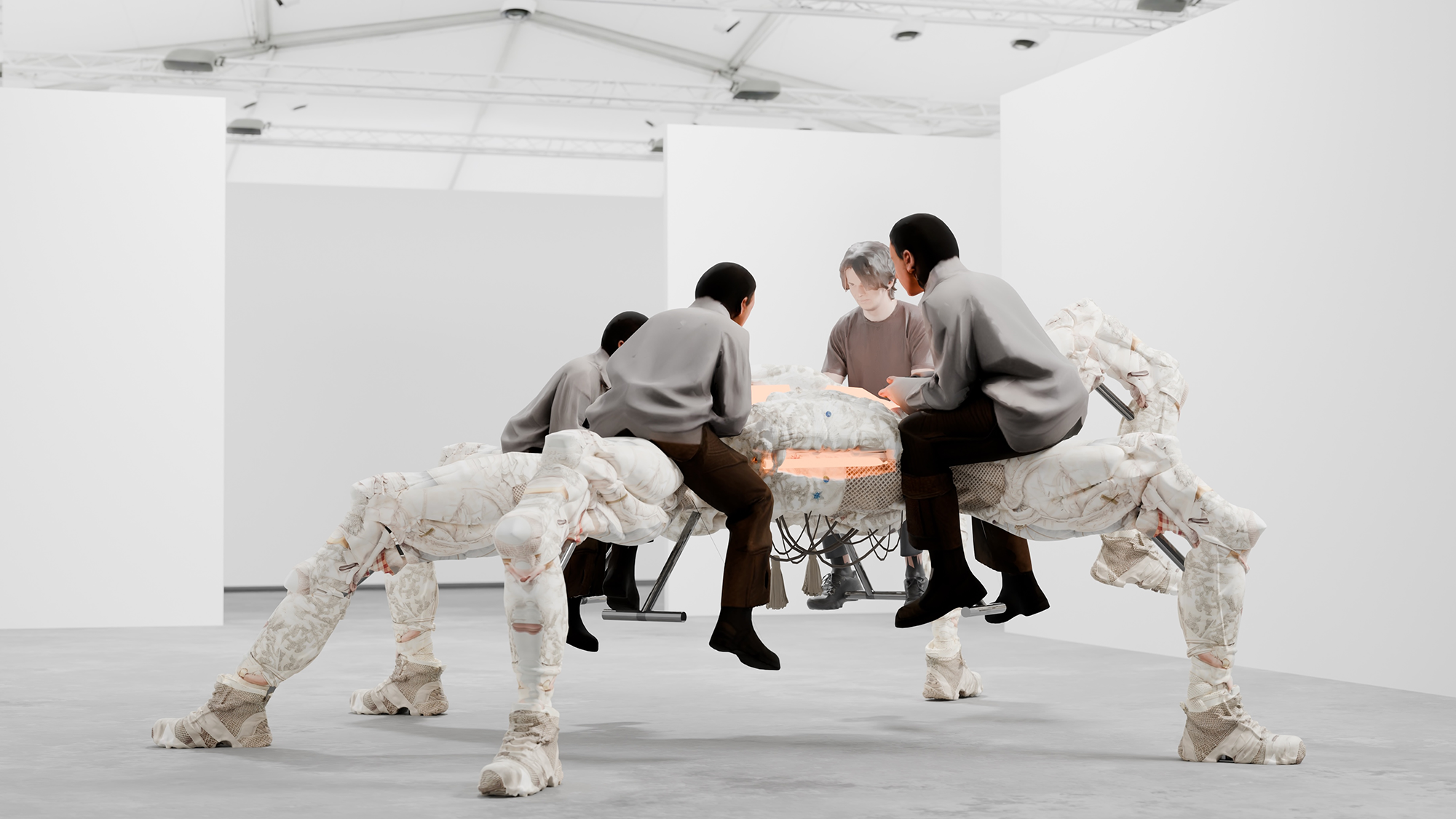
The boundaries between physical and digital worlds continue to blur, and contemporary art is moving with them. This year’s Frieze Artist Award winner, Theo Triantafyllidis, presents Feral Metaverse (Spider), an interactive installation that brings together sculpture, gaming and virtual collaboration.
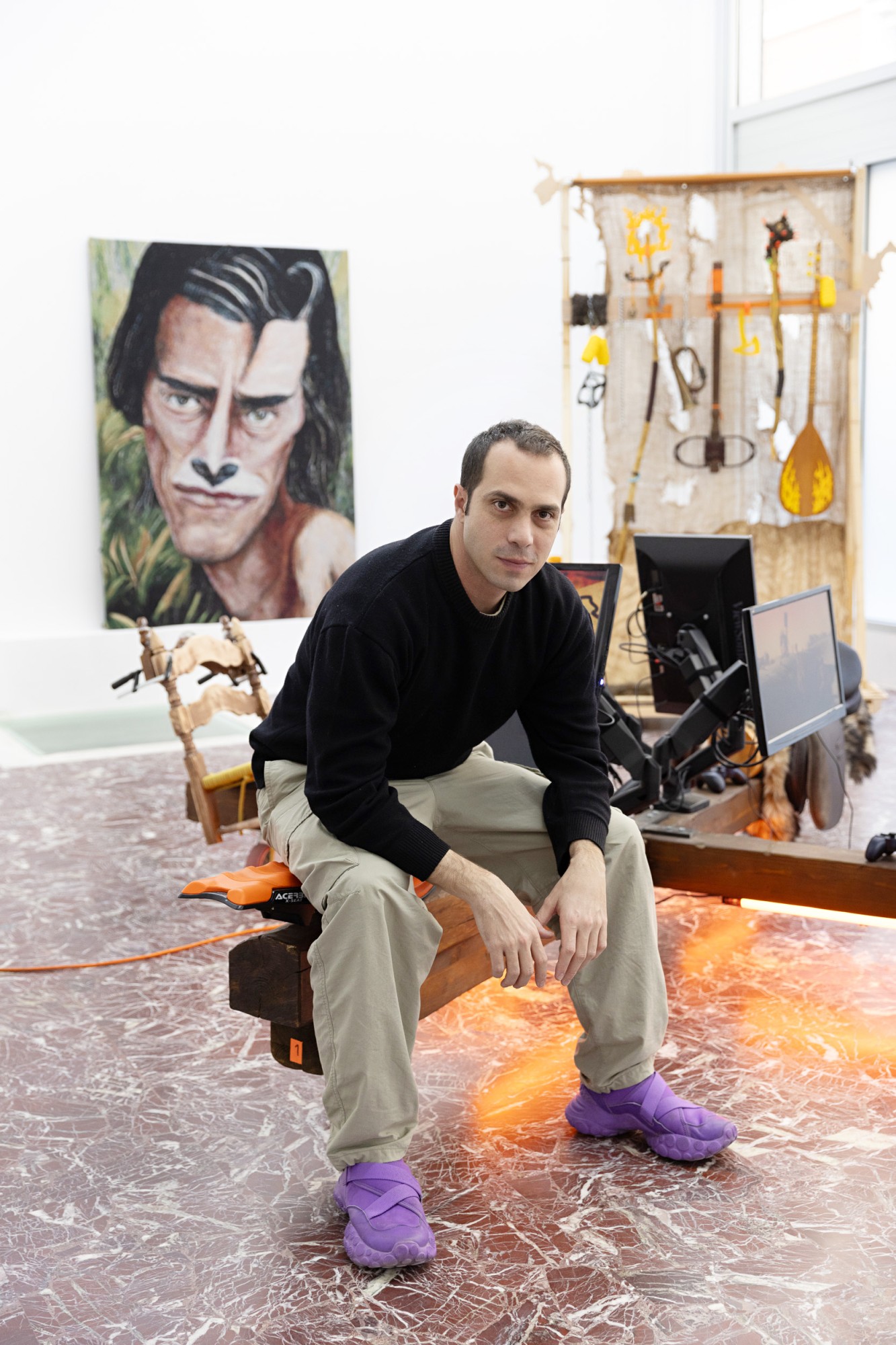
Featuring a giant spider-like structure connected to a shared digital environment, the work invites visitors to engage with art beyond traditional observation, exploring how technology shapes our interactions and collective experiences. It’s an example of how contemporary art is embracing gaming culture, immersive technology and new forms of participation.
The Code Universe: Art in the Age of Mass Culture
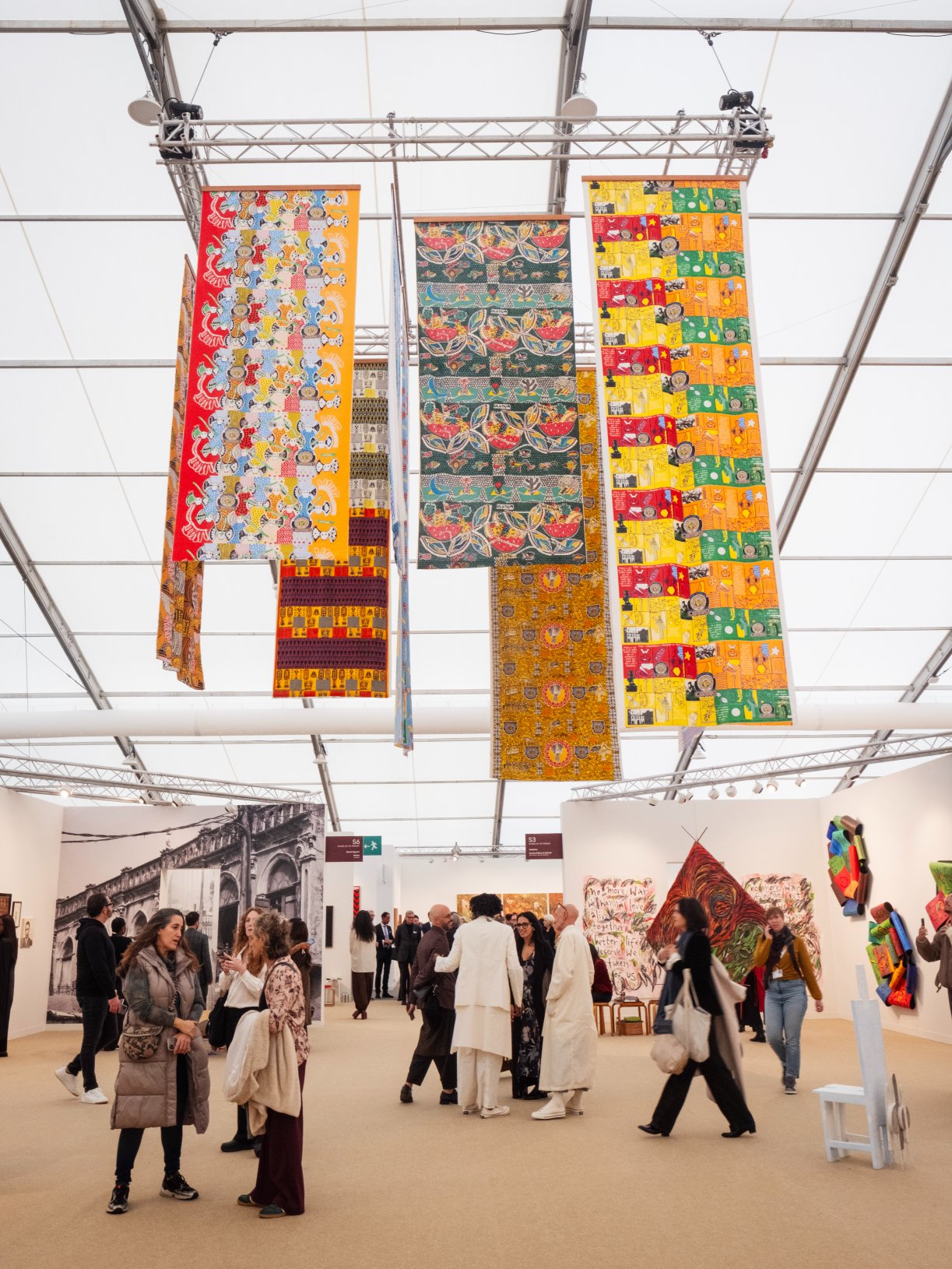
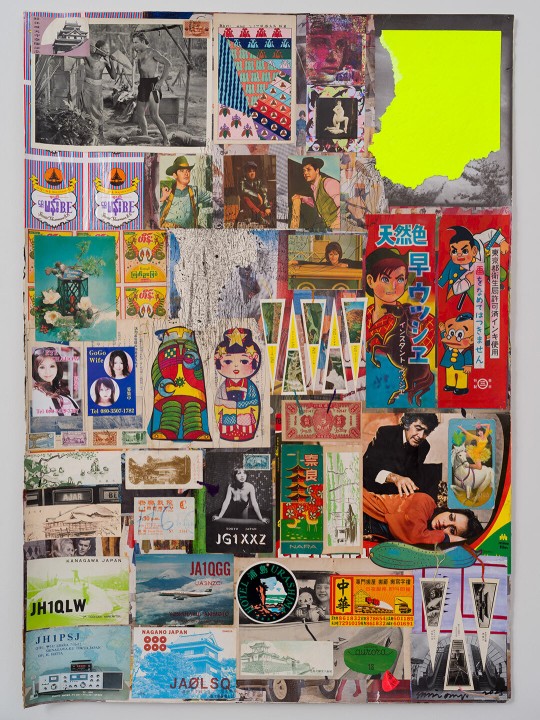
In a world saturated with imagery, algorithms and constant digital consumption, the relationship between art and popular culture has never felt more relevant. New for 2026, The Code Universe, curated by Carol Yinghua Lu, explores how artists respond to mass culture, consumer objects, media and societal change.
Spanning artistic practices from the mid-1980s to the present, the section features artists including Carolyn Lazard, Shinro Ohtake and Selma Selman, examining how visual information is created, circulated and interpreted. For a generation navigating culture through screens, branding and digital communities, it offers an interesting perspective on the forces shaping contemporary visual language.
Frieze Masters: Where Art, Fashion & Design Intersect
While Frieze London looks towards contemporary creativity, Frieze Masters explores how the past continues to influence the present. One of this year’s highlights, Reflections, curated by Abby Bangser, draws inspiration from two remarkable architectural spaces: Casa Luis Barragán in Mexico City and The Cosmic House in London.
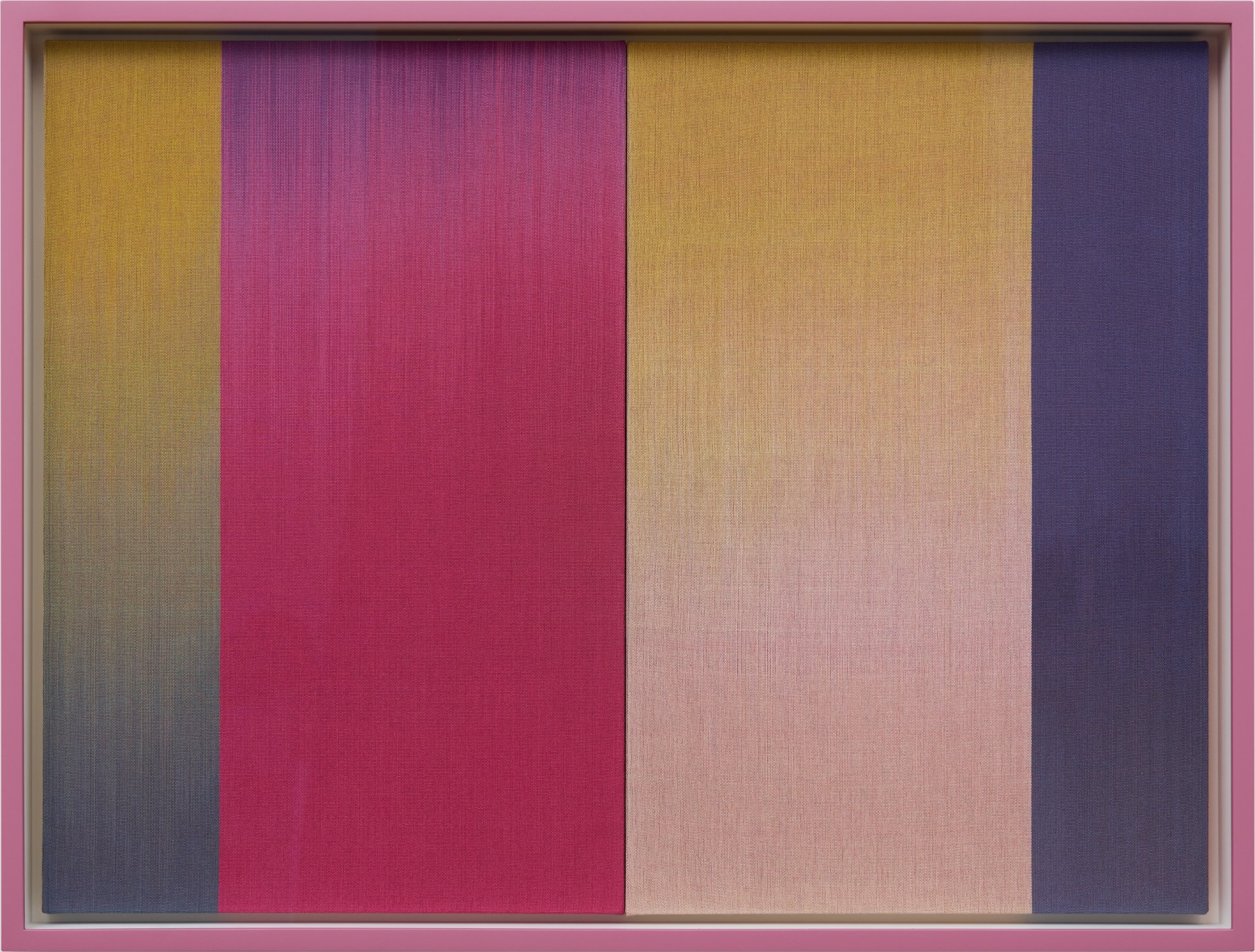
Both homes represent distinct approaches to architecture, colour, collecting and design, creating a conversation between art and the spaces we inhabit. Elsewhere, Queering Modernism, curated by Anke Kempkes, revisits 20th-century art history through overlooked perspectives on identity, desire and self-expression.
Alongside the return of Spotlight, which champions under-recognised artists from across the world, Frieze Masters challenges the idea that art history has only one narrative.

A Global Creative Conversation
Frieze’s international reach remains one of its defining strengths. This year’s Frieze London brings together 176 galleries operating across 43 countries and regions, connecting established art centres with galleries and artists from Africa, Asia, Latin America and beyond.
Among the presentations, Dalton Paula, represented by Lisson Gallery, explores overlooked Black histories through work informed by archival research, oral histories and historical narratives. It’s an example of how contemporary art can bring previously marginalised stories into focus, while challenging the perspectives through which history has traditionally been told.
Beyond the Fair: London in Frieze Mode
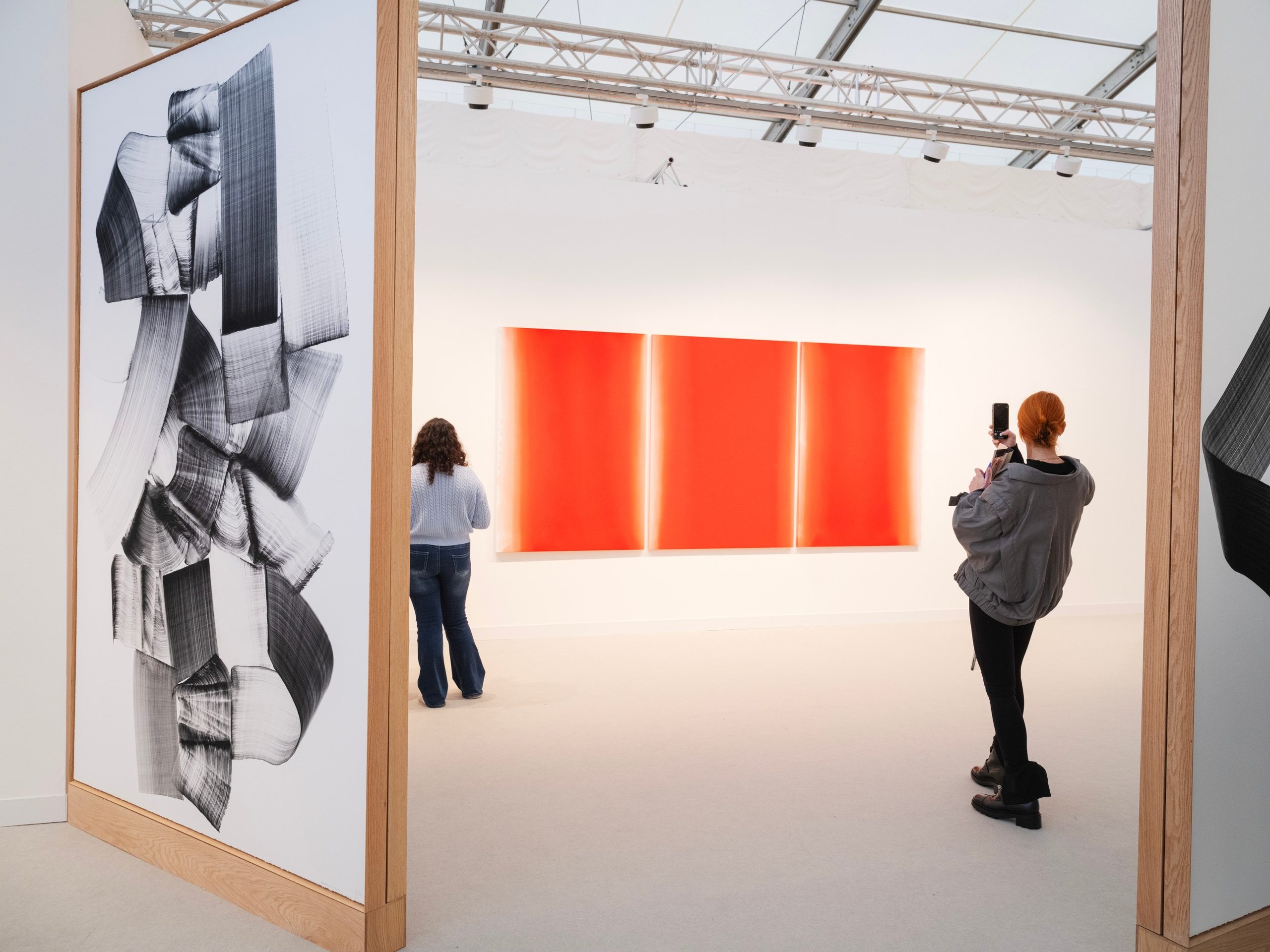
Frieze Week extends well beyond the exhibition tents, with galleries, museums and cultural spaces across the capital contributing to the city’s creative calendar. At Tate Britain, The 90s: Art and Fashion explores a defining era when fashion, photography and contemporary art became increasingly intertwined.
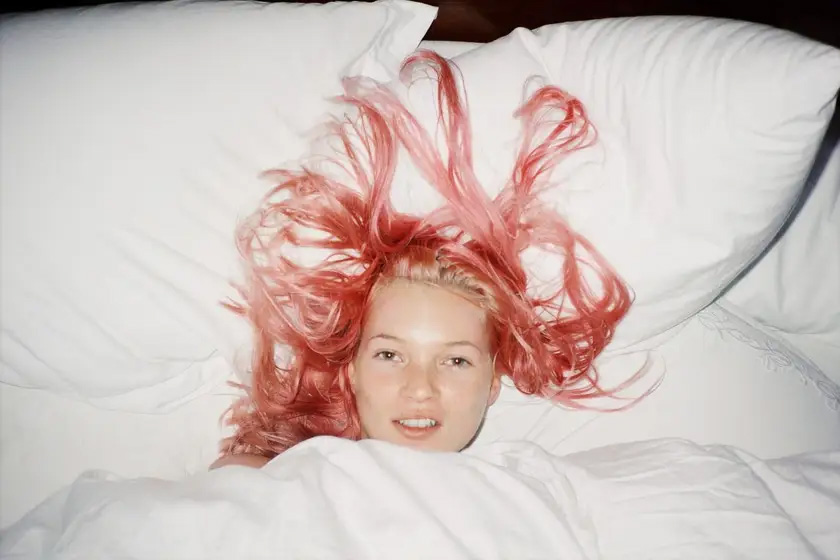
Meanwhile, the Design Museum presents Es Devlin, examining the work of a creative whose practice moves between art, theatre, music and large-scale installations.
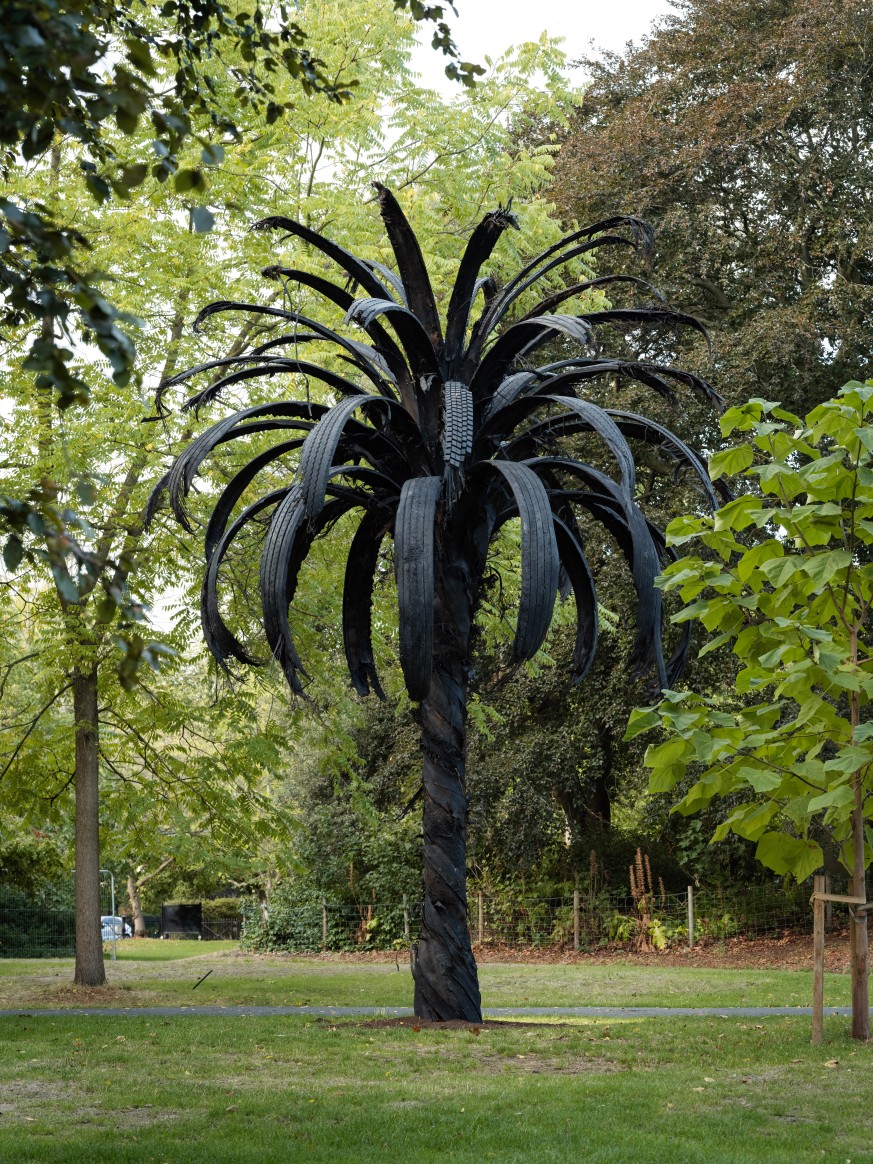
For something outdoors, Frieze Sculpture transforms The Regent’s Park into a free public exhibition, running until 1 November. From established institutions to experimental spaces, Frieze Week is an opportunity to discover London’s creative landscape beyond the main fair.
Experience Frieze Your Way
You don’t need to be a collector or know every artist’s name to connect with contemporary art. Sometimes it’s about discovering something unexpected, encountering a new perspective or finding work that challenges the way you see things.
Whether your interests lie in fashion, design, digital culture or the visual arts, Frieze offers plenty of ways to explore the creative conversations happening now. Stay tuned for our coverage from inside the fair.
Frieze London & Frieze Masters 2026
14–18 October 2026
The Regent’s Park, London
Public Admission: From 15 October. For tickets and further information, visit frieze.com.
Connect with Distract! Watch us on Youtube, like us on Facebook & follow us on Twitter and Instagram.
